
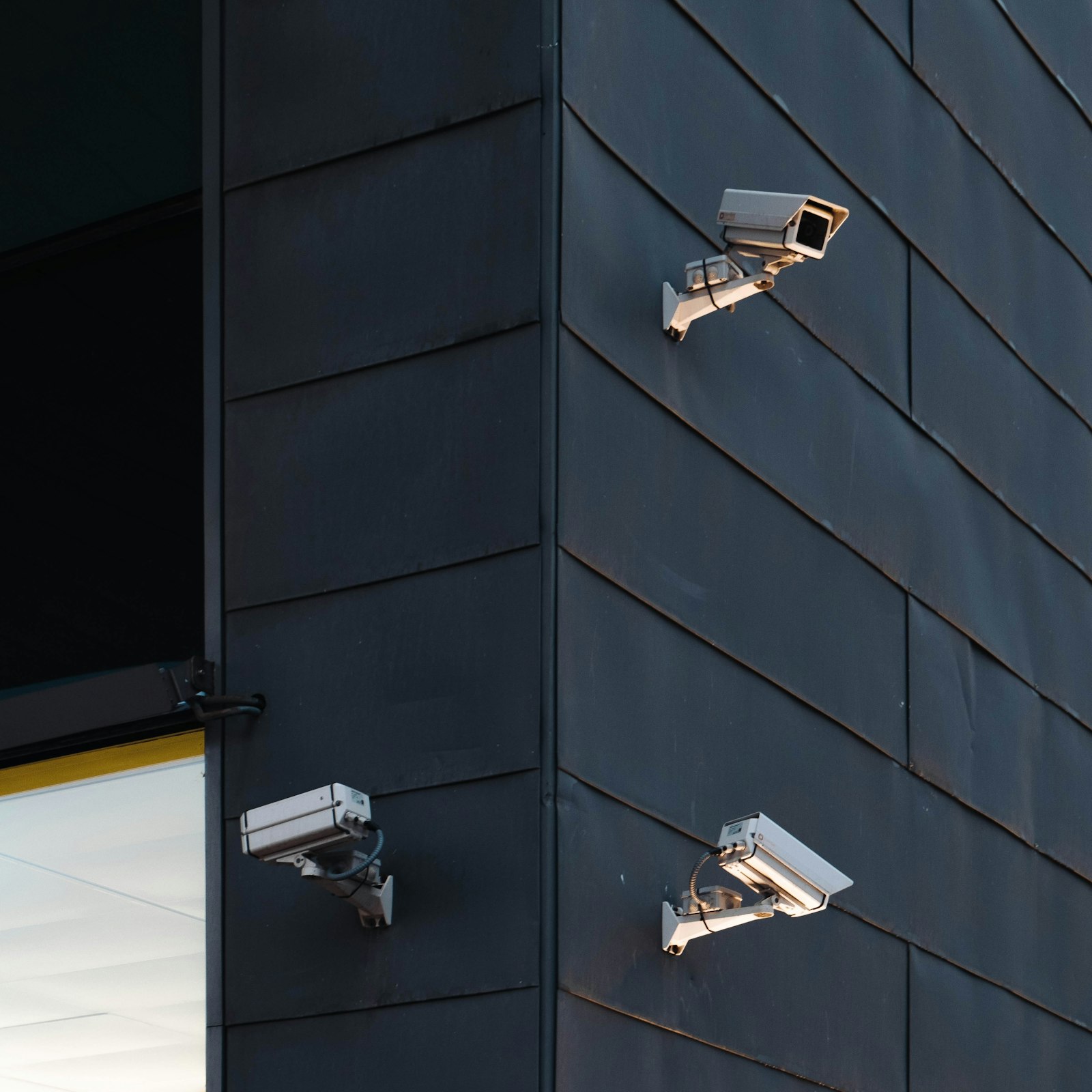
Wired and wireless CCTV systems both play a major role in modern home security.
Wireless vs Wired CCTV Systems: Which Is Better for Homes in 2026?
Home security technology has advanced rapidly over the past decade. What used to require complex wiring and professional installation can now be achieved...

Introduction
Home security technology has advanced rapidly over the past decade. What used to require complex wiring and professional installation can now be achieved through compact wireless cameras that connect directly to a smartphone. As a result, homeowners today face an important decision when choosing surveillance systems: should they choose wired CCTV systems or wireless cameras?
In 2026, both wired and wireless CCTV systems offer advanced capabilities such as high-resolution video, artificial intelligence motion detection, cloud storage, and mobile monitoring. However, the two systems operate very differently, and each has advantages depending on the home environment, internet reliability, and the level of security required.
Understanding Wired CCTV Systems
Wired CCTV systems are the traditional form of surveillance technology. These systems connect cameras to a central recording device through physical cables. The most common wired systems today use PoE (Power over Ethernet) systems and coaxial cable systems.
PoE systems are especially popular because they transmit both power and data through a single Ethernet cable. This reduces installation complexity compared to older analog systems that required separate cables for power and video transmission.
Installation Complexity
Wired systems require running cables from each camera to a central recording device. This often means drilling through walls, ceilings, or floors. For larger homes, professional installation may be necessary.

Understanding Wireless CCTV Systems
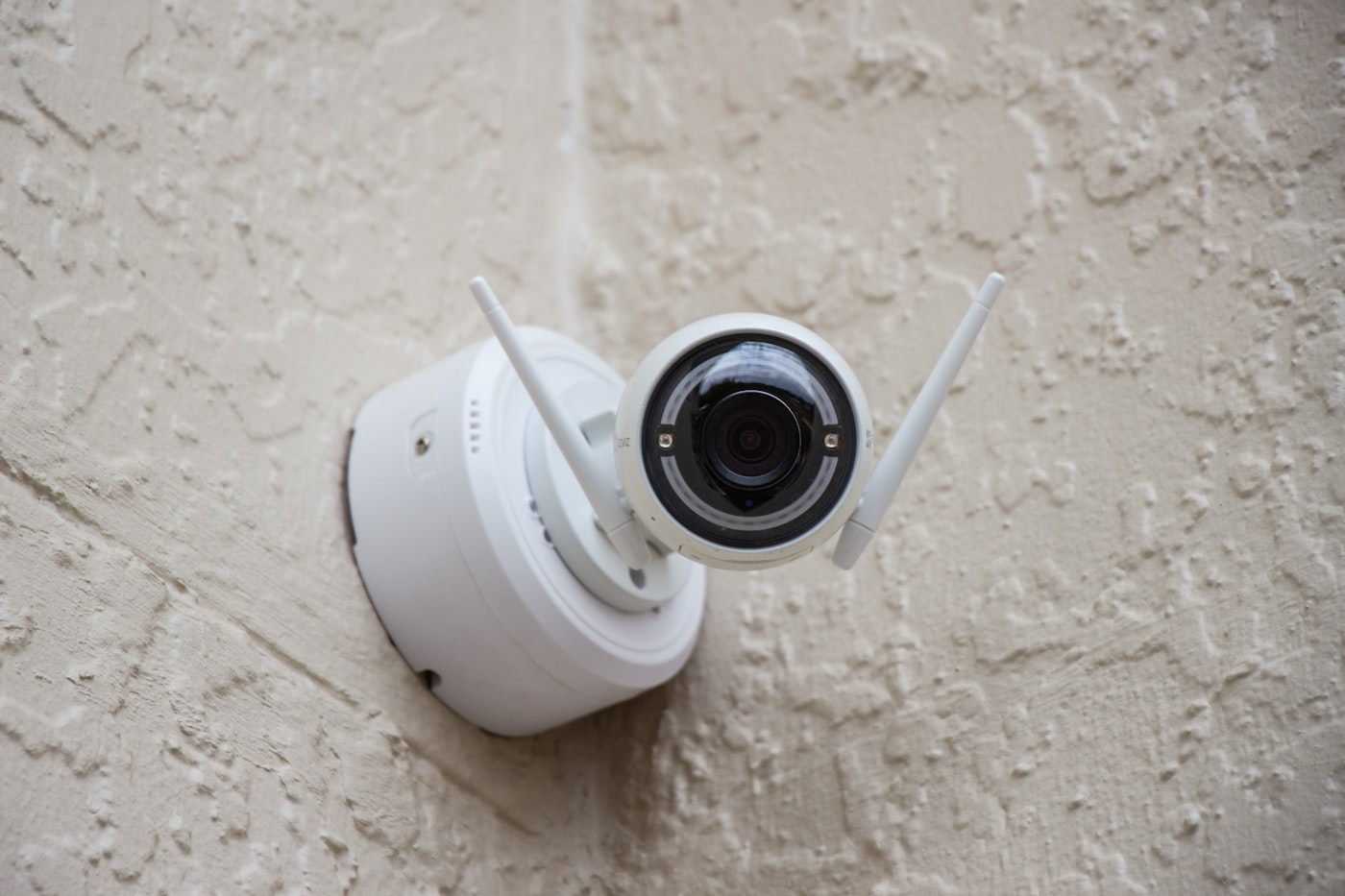
Wireless CCTV cameras transmit video through Wi-Fi rather than physical cables. Most modern wireless cameras are compact and designed for easy installation, making them extremely popular among homeowners.
Instead of connecting to a recorder with cables, wireless cameras usually send footage to a cloud storage system or to a local storage device such as a microSD card.
Flexibility and Placement
Wireless cameras can be installed in places where running cables would be difficult or unnecessary. They are especially useful for apartments, rental homes, and smaller residential setups.

Key Differences Between Wired and Wireless CCTV Systems
Reliability and Stability
Wired systems are generally more reliable because they do not depend on Wi-Fi signals. Once installed, they provide consistent video recording without interruptions caused by internet connectivity issues.
Wireless cameras rely heavily on a stable internet connection. If the Wi-Fi signal is weak or network outages occur, video quality or event capture may suffer.
Video Quality
Both wired and wireless cameras now support high resolutions such as 2K and 4K video recording. However, wired cameras often deliver slightly more stable video streams because they transmit data through physical cables rather than wireless networks.
Power Supply
Wired cameras receive power directly through cables, meaning they can operate continuously without interruption. Wireless cameras are frequently battery powered. While modern batteries can last several months, they eventually require recharging or replacement.

The best CCTV system is not simply the one with the most features. It is the one that matches the home's layout, internet stability, and security priorities.
Advantages of Wired CCTV Systems
- consistent video feed
- strong signal stability
- suitable for larger properties
- no regular battery charging
Advantages of Wireless CCTV Systems
- easy installation
- flexible placement
- ideal for renters and apartments
- smart home integration
Conclusion
Both wired and wireless CCTV systems provide effective security for modern homes. Wired systems remain the best choice where stability and uninterrupted recording matter most. Wireless systems continue to win on convenience, flexibility, and speed of installation. The right choice depends on the homeowner’s property type, technical needs, and budget.